

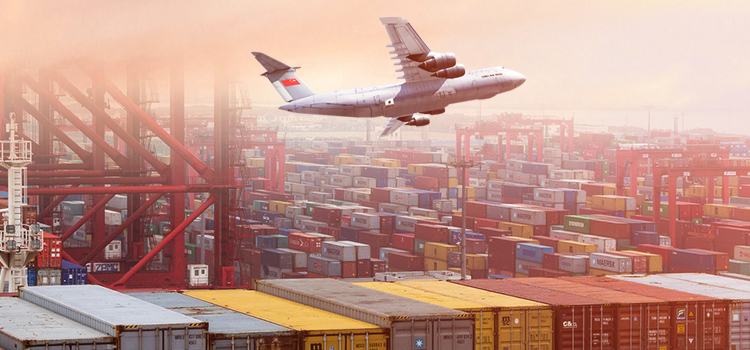
The air freight process typically involves the following major steps:
1. Preparation of goods: This is a crucial step to ensure that the goods are not damaged during transportation, especially for special goods such as fragile items and liquids, which require special packaging materials and techniques.
2. Filling out the customs declaration form. According to national regulations, the customs declaration form needs to be filled out in detail, including information such as the name of the goods, quantity, and value.
3. Booking**: Choose a suitable airline, consider factors such as departure time, route, and connecting flights, and determine the departure time and location.
4. Cargo loading: This includes marking the cargo (including information such as ** number, destination, etc.), weighing the cargo, calculating the freight, placing the cargo on containers or pallets, and loading it onto the aircraft through mechanical equipment.
5. Air transportation process: Once the goods are loaded onto the aircraft, the air transportation process begins. During the flight, the airline will ensure the safe and timely delivery of the goods. If necessary, during layover, the goods may be transferred from one aircraft to another.
6. Delivery of goods: This includes the arrival notification (the recipient receives the notification and prepares to receive the goods), customs clearance procedures (checking documents and goods to ensure compliance with national regulations and paying relevant taxes and fees), and finally delivering the goods to the recipient's designated address.
In addition, for certain specific types of goods, special customs clearance procedures or relevant licenses may also need to be obtained. The entire process requires a high degree of **knowledge and skills to ensure that the goods can arrive at their destination safely and on time.